
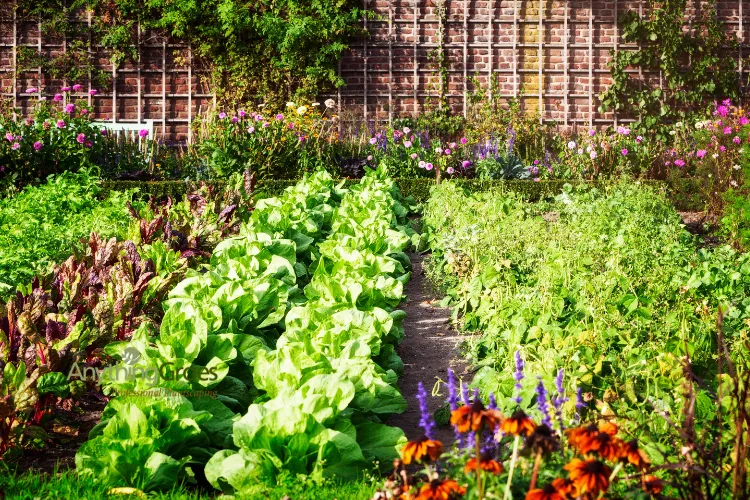
Have you ever looked at your front yard and wished it could do more than just look pretty? Traditional lawns and flowerbeds offer great curb appeal. But they require hours of mowing, weeding, and watering without giving much back in return.
What if your garden could feed your family while still looking absolutely stunning?
Welcome to the concept of edible landscaping. This clever gardening approach blends the visual appeal of traditional ornamental plants with the practical benefits of fruits, vegetables, and herbs. You no longer have to hide your vegetable patch in the back corner of your yard. Instead, you can weave delicious, food-producing plants right into your main landscape design.
In this guide, we will explore how you can transform your outdoor space into a beautiful, functional garden. You will learn the top benefits of growing food at home, how to design a seamless layout, and which plants work best for a delicious yard.
What Exactly is Edible Landscaping?
Edible landscaping is the practice of integrating food-producing plants within an ornamental or decorative setting. Instead of planting a strict row of tomatoes out of sight, you might plant cherry tomatoes alongside your blooming marigolds. You might swap out a standard shade tree for a beautiful apple or cherry tree.
The goal is to design a space that looks like a traditional garden but functions like a small farm. By focusing on colors, textures, and structures, you can create a yard that pleases the eye and the palate.
The Top Benefits of a Delicious Yard
Growing your own food right outside your door brings incredible rewards. Here is why you should consider turning your landscape into an edible oasis.
Enjoy Fresh, Nutritious Produce
Nothing tastes better than a tomato plucked straight from the vine while it is still warm from the sun. When you grow your own food, you control exactly what goes into it. You harvest at peak ripeness, ensuring your family eats vegetables packed with vitamins and incredible flavor.
Save Money on Groceries
Food prices continue to climb, making fresh produce an expensive part of the weekly grocery haul. A well-planned edible garden helps offset these costs. A single berry bush or fruit tree will produce pounds of food year after year. Even a small patch of culinary herbs can save you from buying overpriced plastic packets at the store.
Promote Eco-Friendly Living
Replacing a water-heavy, chemical-dependent grass lawn with edible plants is a massive win for the environment. You reduce the carbon footprint associated with transporting store-bought produce. Furthermore, blooming edible plants attract vital local pollinators like bees and butterflies, boosting your local ecosystem.
How to Design Your Edible Landscape
You do not need to rip out your entire lawn to get started. Careful planning and a little creativity go a long way in designing an edible yard that looks intentional and beautiful.
Start Small and Plan Your Layout
Take a good look at your yard before you buy any seeds or saplings. Map out the areas that get full sun, partial shade, and full shade. Most vegetables and fruits need at least six hours of direct sunlight every day.
Begin by incorporating edibles into existing flower beds. Add a border of curly parsley around your perennial flowers, or tuck a few pepper plants into empty sunny spots. Starting small prevents you from feeling overwhelmed and helps you learn how different plants behave in your specific soil.
Mix Textures, Colors, and Heights
Treat your edible plants exactly like ornamental ones. Pay attention to how they look. You want to create visual interest by varying the heights, colors, and leaf textures.
For instance, the feathery, delicate fronds of asparagus look incredible as a backdrop for broad-leafed plants like cabbage or Swiss chard. The bright red stems of rhubarb provide a stunning pop of color. Trailing plants like strawberries make excellent ground cover, filling in the bare soil between larger shrubs.
Swap Traditional Plants for Edible Alternatives
When a traditional landscape plant dies or overgrows its space, replace it with an edible counterpart.
Do you want a fast-growing vine to cover an ugly chain-link fence? Skip the standard ivy and plant grapevines or climbing scarlet runner beans instead. Need a privacy hedge between you and the neighbors? Plant highbush blueberries or hazelnut shrubs instead of plain boxwoods.
Selecting the Best Plants for Your Space
Choosing the right plants makes all the difference. You want varieties that offer high yields but also look attractive throughout the growing season.
Fruit-Bearing Trees and Shrubs
Fruit trees serve as excellent focal points or anchor plants in your landscape design. Apple, pear, and plum trees burst with gorgeous white and pink blossoms in the spring. Fig trees boast large, tropical-looking leaves that add a dramatic flair to any patio.
Berry bushes are also incredibly versatile. Raspberries, blackberries, and gooseberries provide structure and beautiful foliage that often changes color in the fall.
Colorful Edible Flowers and Herbs
Herbs are the backbone of a functional garden. They are generally easy to grow, drought-tolerant, and highly fragrant. Rosemary and lavender grow into beautiful, structured bushes that stay green year-round in milder climates. Purple basil adds a striking dark contrast to bright green foliage.
Do not forget edible flowers. Nasturtiums trail beautifully out of hanging baskets and offer peppery, bright orange blooms you can toss into salads. Calendula and pansies add bright pops of yellow and purple while doubling as colorful garnishes for your summer meals.
Leafy Greens and Vegetables
Leafy greens are surprisingly beautiful when arranged thoughtfully. Rainbow Swiss chard features bright yellow, pink, and red stems that look just as good as any ornamental flower. Kale offers heavily ruffled, blue-green leaves that hold their shape late into the winter.
For structural interest, consider planting artichokes. They grow into massive, architectural plants with silvery foliage. If you leave the artichoke buds unharvested, they burst into massive, striking purple thistle flowers.
Tips for Maintaining Your Functional Garden
A beautiful landscape requires upkeep, but a few smart habits will keep your edible yard thriving with minimal stress.
Master the Art of Watering
Edible plants generally require more consistent moisture than established ornamental shrubs. However, overhead watering with a sprinkler can encourage fungal diseases on vegetable leaves.
Install a simple drip irrigation system or use soaker hoses. These deliver water directly to the base of the plants, keeping the roots hydrated while keeping the foliage dry. Adding a thick layer of organic mulch around your plants will also lock in soil moisture and suppress annoying weeds.
Feed Your Soil Naturally
Vegetables and fruits pull a lot of nutrients from the ground to produce your food. You need to replenish those nutrients regularly.
Start a compost bin in your backyard. Kitchen scraps, coffee grounds, and fallen leaves break down into dark, rich compost. Spread this “black gold” over your garden beds twice a year. It improves soil drainage, boosts nutrient levels, and encourages helpful earthworms to move in.
Manage Pests Without Harsh Chemicals
When you grow food to eat, you want to avoid spraying toxic pesticides. Instead, rely on natural pest control methods.
Practice companion planting to deter bad bugs. Planting strong-smelling marigolds near your tomatoes helps keep destructive nematodes away. You can also attract beneficial insects, like ladybugs and lacewings, by planting dill and fennel. These helpful bugs will happily eat the aphids trying to destroy your leafy greens.
If you spot a severe infestation, use gentle alternatives like neem oil or insecticidal soap. Always apply these in the evening to avoid harming daytime pollinators.
Bring Your Yard to Life
Your yard holds incredible potential. By embracing edible landscaping, you turn unused lawn space into a productive, beautiful environment. You get to step outside, breathe in the fresh air, and harvest ingredients for your next meal right from your front door.
Take a walk around your property today. Look for that one sunny spot where a blueberry bush or a vibrant row of Swiss chard might fit perfectly. Start planting, and watch your outdoor space transform into a beautiful, functional garden.