
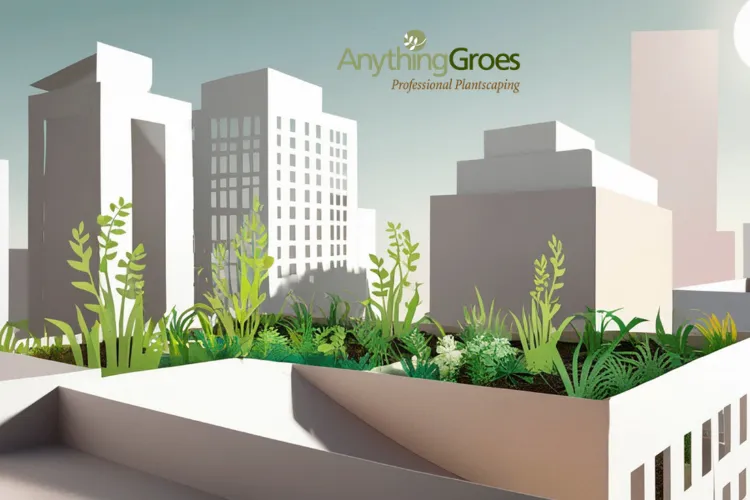
Look out the window of a tall building in any major city, and you are likely greeted by a sea of grey concrete and black tar. These barren rooftops absorb heat, contribute to flooding, and offer little to the eye. But imagine if that view changed. Picture a landscape where rooftops are alive with swaying grasses, vibrant succulents, and blooming wildflowers. This is the promise of green roofs.
Vegetated roofing systems are transforming the way architects and building owners think about urban space. They are no longer just a niche design choice for eco-lodges or experimental projects. Green roofs have become a practical, robust solution for modern urban challenges.
This guide explores why green roofs are gaining traction. We will examine their impressive environmental impact, the real economic advantages they offer building owners, and practical steps for installation.
Understanding the Green Roof Concept
A green roof is more than just plants in pots sitting on a deck. It is a sophisticated, layered system engineered to grow vegetation on top of a building. While the specifics can vary, most systems share common components: a high-quality waterproofing membrane, a root barrier, a drainage layer, a filter cloth, a lightweight growing medium, and finally, the plants themselves.
These systems generally fall into two categories:
- Extensive Green Roofs: These are lightweight systems with a shallow layer of soil (usually less than 6 inches). They typically feature hardy plants like sedums and mosses that require minimal maintenance.
- Intensive Green Roofs: These are essentially rooftop gardens or parks. They have deeper soil depths that can support shrubs, trees, and walkways. They require more structural support and regular gardening maintenance.
Both types offer significant benefits, turning dead space into a hardworking asset for the building and the environment.
The Environmental Power of Living Roofs
Cities often struggle with environmental issues caused by density and hard surfaces. Green roofs attack these problems directly at the source.
Mastering Stormwater Management
One of the most critical functions of a green roof is water control. In a typical urban environment, rain hits concrete or asphalt and immediately runs off into storm drains. During heavy downpours, this overwhelms municipal sewer systems, leading to flooding and water pollution.
Green roofs act as a sponge. The growing medium and plant roots absorb significant amounts of rainwater. Research suggests that green roofs can retain 70% to 90% of precipitation during summer storms. Even when the water is eventually released, the process is delayed. This reduces the peak flow rate, easing the burden on city infrastructure and reducing erosion in local waterways.
Combatting the Urban Heat Island Effect
Cities are significantly hotter than their surrounding rural areas. This phenomenon, known as the Urban Heat Island effect, occurs because buildings and roads absorb and re-emit the sun’s heat. Traditional black roofs are major culprits, often reaching temperatures up to 150°F (65°C) or more on summer days.
Vegetation naturally cools the air through a process called evapotranspiration. Plants absorb water through their roots and release it as vapor through their leaves. This process uses heat energy, cooling the surrounding air. A green roof stays much closer to ambient air temperature, helping to cool the entire city when deployed on a large scale.
Cleaning the Air and Boosting Biodiversity
Urban air quality is a persistent concern. Plants are natural filters. They capture airborne particles, such as smog and dust, on their leaves. They also absorb gaseous pollutants like carbon dioxide and release oxygen.
Furthermore, green roofs create vital habitats in places that were previously biological deserts. They provide nesting grounds for birds and foraging areas for bees and butterflies. By creating a network of green roofs, cities can establish “green corridors” that allow pollinators and wildlife to travel safely across the urban landscape.
The Economic Case for Green Roofs
While the environmental perks are compelling, the financial benefits often drive the decision for building owners. A green roof is an investment that pays dividends over time.
Significant Energy Savings
Because green roofs reduce the heat transfer through the roof, they act as an extra layer of insulation. In the summer, this prevents the sun’s heat from penetrating the building, significantly lowering the demand for air conditioning. In the winter, the extra layers help retain indoor heat.
Studies have shown that green roofs can reduce energy demand for cooling by substantial margins. For large commercial buildings, this translates to thousands of dollars saved in utility costs annually.
Extending Roof Lifespan
The roof membrane is the most expensive part of a roof to replace. On a standard roof, this membrane is exposed to harsh ultraviolet (UV) light, hail, wind, and extreme temperature fluctuations. This constant expansion and contraction eventually cause the materials to become brittle and crack.
A green roof covers the waterproofing membrane, shielding it from these damaging elements. By keeping the membrane at a consistent temperature and protecting it from physical damage, a green roof can double or even triple the lifespan of the underlying roof structure. While the initial installation cost is higher, the extended lifecycle makes it cheaper in the long run.
Increasing Property Value and Marketability
Green buildings are in high demand. Tenants and buyers are increasingly looking for eco-friendly features that signal sustainability and lower operating costs. A green roof can contribute points toward LEED certification, increasing the building’s prestige and market value. Additionally, for buildings with accessible intensive green roofs, the amenity of a private rooftop park is a massive draw that can command higher rental rates.
Practical Tips for Implementation
Installing a green roof is a construction project that requires planning and expertise. Whether you are considering a small residential retrofit or a large commercial installation, keep these factors in mind.
1. Structural Integrity is Key
Soil and water are heavy. Before you buy a single plant, you must hire a structural engineer to assess your building’s load-bearing capacity. Saturated soil can weigh anywhere from 15 to 50 pounds per square foot for extensive systems, and much more for intensive ones. You may need to reinforce your roof structure to handle the weight safely.
2. Choose the Right Plants
Success depends on plant selection. Rooftops are harsh environments exposed to high winds, intense sun, and drought.
- Sedums and Succulents: These are the workhorses of extensive green roofs. They store water in their leaves and can survive long dry spells.
- Native Grasses and Wildflowers: These are excellent for supporting local biodiversity but may require deeper soil.
- Avoid High-Maintenance Plants: Unless you plan to garden daily, avoid plants that need constant watering or pruning.
3. Don’t Skip the Maintenance
While extensive green roofs are “low maintenance,” they are not “no maintenance.” You will need to weed out invasive species, especially in the first few years while the desired plants establish coverage. You should also check the drainage systems annually to ensure they aren’t clogged with debris. Irrigation may be necessary during extreme droughts, even for drought-tolerant plants.
4. Ensure Proper Access
You need a safe way to get to the roof for installation and maintenance. This might mean installing a permanent ladder, a hatch, or ensuring compliance with safety railing codes.
Partnering with Professionals
The transition from a grey roof to a green one involves biology, engineering, and design. It is not a typical DIY weekend project. To ensure your roof is watertight, safe, and vibrant, professional guidance is essential.
At Anything Groes, we specialize in bringing these vertical landscapes to life. We understand the unique challenges of our local climate and how to design systems that thrive here. Our team can assist with every step of the process:
- Design and Consultation: We work with you to determine the best type of green roof for your building’s structure and your aesthetic goals.
- Plant Selection: We source high-quality, hardy vegetation that will flourish on your rooftop.
- Expert Installation: Our crews install the specialized layers—root barriers, drainage mats, and growing media—with precision to protect your building.
- Ongoing Care: We offer maintenance plans to keep your green roof healthy and functional for decades.
Conclusion
Green roofs represent a smarter way to build. They solve complex environmental problems while putting money back in the pockets of building owners. They turn wasted space into productive, beautiful ecosystems that cool our cities and clean our air.
If you are ready to elevate your property and contribute to a sustainable future, it is time to look up. A green roof is an investment in your building’s longevity and the planet’s health. Contact Anything Groes today to discuss how we can help you transform your rooftop into a thriving green asset.