
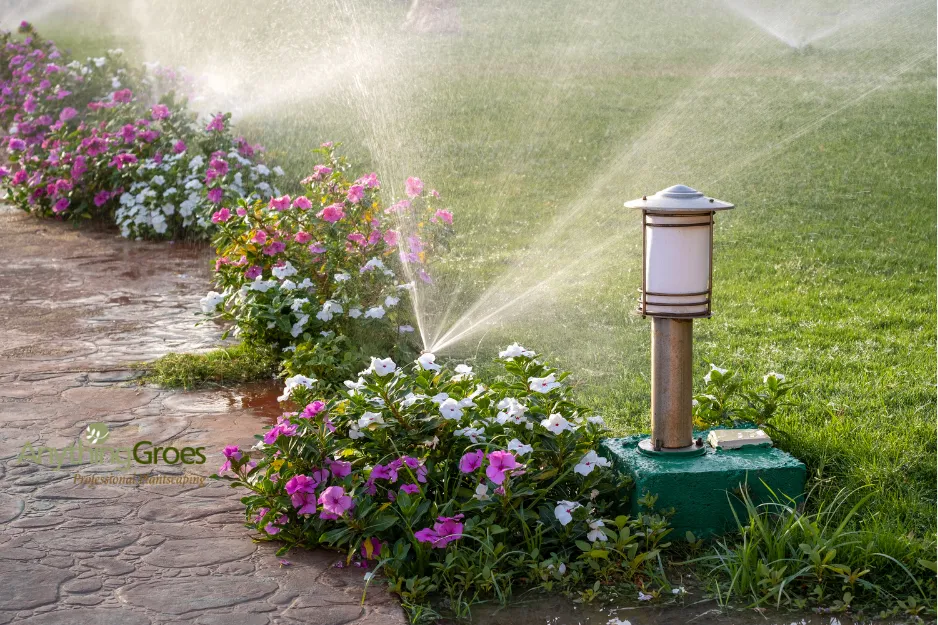
The National Weather Service in Louisville issued an Extreme Heat Warning for the Kentuckiana area from June 28 through July 2, 2026, with heat index values forecast to reach 110–115°F. To protect your lawn and garden, water deeply between 4–8 AM, raise your mower height, apply mulch around plant bases, avoid fertilizing or transplanting, and limit foot traffic on stressed grass.
Louisville and the surrounding Kentuckiana region are in the grip of a dangerous, multi-day heatwave. On June 29, 2026, the National Weather Service (NWS) in Louisville issued an Extreme Heat Warning covering the area through July 2 at 9 p.m. Highs are pushing into the low-to-mid 90s, with heat index values forecast between 110 and 115°F. Even overnight temperatures offer little relief, with lows expected to stay in the 70s—and not dropping below 77°F.
For homeowners in the greater Louisville area, conditions like these can do real, lasting damage to lawns and gardens. At Anything Groes, we’ve seen firsthand how quickly a well-maintained yard can deteriorate during a stretch of hazardous heat. The good news? With the right moves made now, you can protect your landscape and come out the other side looking great.
How Does Extreme Heat Affect Your Lawn and Garden?
Turf grass and garden plants handle heat stress similarly to how people do—they start to shut down. When temperatures soar and soil moisture drops, grass blades wilt and may turn yellow or brown as the plant enters dormancy to preserve itself. The root system becomes vulnerable, especially when nighttime temperatures stay elevated and the ground never has a chance to cool.
Garden plants face similar challenges. Heat causes rapid moisture loss through their leaves, and when water loss outpaces absorption, plants begin to wilt, drop flowers, and in severe cases, die. Kentucky’s USDA Zone 6b climate normally gives plants a resilient growing season, but heat index values above 110°F push even well-established plants to their limits.
This week’s conditions are particularly stressful because the warm overnight lows—staying above 77°F—mean plants cannot recover between days. That’s the key difference between a hot week and a truly dangerous one for your landscape.
When and How Should You Water Your Lawn During a Kentucky Heatwave?
Timing and technique matter more than quantity during extreme heat. The best window to water your lawn is between 4 and 8 AM, before the sun’s intensity peaks. Watering at this time allows moisture to absorb into the soil rather than evaporate, giving grass roots direct access to the water they need.
During heat events like this week’s warning, aim to deliver at least 2 inches of water per week across your lawn, particularly in areas with full sun exposure. This is a step up from standard summer watering. If you notice grass wilting during peak afternoon heat, a brief, light sprinkling can help reduce surface temperature without contributing to fungal issues.
For garden beds, deep watering encourages roots to grow further into the soil, which produces healthier, more drought-resilient plants over time. Shallow, frequent watering does the opposite—it keeps roots near the surface, where they’re most exposed.
A practical tip: place a rain gauge or catch can in your irrigation zone to measure exactly how much water you’re delivering. Run your system for a set time, measure the collection, and calculate how long it takes to reach your target depth. It removes the guesswork.
How Can You Protect Your Plants and Grass from Scorching Temperatures?
Beyond watering, several practical steps can significantly reduce heat stress across your landscape.
Apply mulch generously. A 2–3 inch layer of organic mulch around the base of garden plants and trees retains soil moisture and keeps root zones cooler. It’s one of the most effective and low-effort steps you can take right now.
Raise your mowing height. Taller grass blades cast shade on the soil, slowing water evaporation and insulating the root system. If your lawn is currently under 4 inches tall, hold off on mowing entirely until the heat warning lifts. When you do mow, make sure your blades are sharp—clean cuts heal faster and reduce moisture loss.
Provide temporary shade for vulnerable plants. Container plants and recent transplants are especially susceptible during heat waves. Move pots into afternoon shade if possible, and consider using a shade cloth over newly planted beds. A large patio umbrella can also work in a pinch.
Check soil moisture before watering containers. Pots heat up faster than garden beds and may need to be watered once or twice daily during this week’s conditions. Stick a finger 2 inches into the soil—if it feels dry, water thoroughly.
Which Heat-Tolerant Plants Perform Best in Kentucky Landscapes?
This heatwave is a good reminder that plant selection matters enormously in our region. If you’re considering additions to your landscape—or simply want to know which plants are pulling their weight this week—these varieties are well-suited to Kentucky’s climate and heat extremes:
- Black-eyed Susan (Rudbeckia) – A North American prairie native, Zones 3–9. Its rough, hairy leaves reduce water evaporation, and it thrives in full sun even during prolonged heat and drought.
- Coneflower (Echinacea) – Zones 3–9. An iconic Kentucky garden plant that handles lean soil and extreme temperatures with ease.
- Coreopsis (Tickseed) – Zones 3–9. Produces cheerful daisy-like blooms and actively thrives in harsh sunlight. Provide supplemental water during extended dry spells.
- Agastache – Zones 3–10. This North American native is adapted to both extreme heat and cold, poor soils, and drought—a reliable performer through summer.
- Salvia – Zones 4–12. Many salvia varieties feature waxy or hairy leaves that reduce evaporation, plus deep root systems that access water further underground.
- Crape Myrtle – Zones 6–10. A showy ornamental that actually requires full sun and hot temperatures to bloom at its best—this week is where crape myrtles shine.
- Lantana, Marigolds, and Zinnias – Excellent warm-season annuals for Kentucky gardens. All three are heat and humidity-tolerant and keep blooming through summer’s worst stretches.
What Should You Avoid Doing to Your Lawn During a Heatwave?
Knowing what not to do during an Extreme Heat Warning is just as important as the proactive steps above.
- Don’t mow during peak heat hours. Mowing stresses already-struggling grass. If you must mow, do so in the early morning or evening—and only if your lawn truly needs it.
- Don’t apply herbicides or liquid fertilizers. High temperatures increase the risk of chemical burn on turf and can cause unintended herbicide drift. Leave treatments to trained professionals who can time applications appropriately, or wait until temperatures drop.
- Don’t over-water in the middle of the day. Midday watering leads to rapid evaporation and can cause leaf scorch on some plants. Stick to the early morning window.
- Don’t let foot traffic accumulate on stressed grass. Heat tracking—visible footprint damage left on heat-stressed lawns—can cause permanent harm to turf. If your grass wilts or you hear crunching underfoot, stay off it and water those areas immediately.
- Don’t transplant or divide plants this week. Transplanting during extreme heat puts enormous stress on plants before they’ve had a chance to establish roots. Wait until temperatures return to more moderate levels.
Keep Your Landscape Thriving Through the Heat
Kentucky’s summer weather is no stranger to extremes, but this week’s Extreme Heat Warning is a serious one. With heat index values reaching 110–115°F and overnight temperatures refusing to drop, your lawn and garden need intentional care to get through it.
Water early, water deeply, protect your soil with mulch, and give heat-stressed grass the rest it needs. Small adjustments this week can prevent costly recovery work later in the season.
Frequently Asked Questions
What is the current Extreme Heat Warning for Louisville, Kentucky?
The National Weather Service in Louisville issued an Extreme Heat Warning covering the Kentuckiana area from June 28 through July 2, 2026 at 9 p.m. The warning includes Louisville and surrounding Kentucky and Indiana counties. Heat index values are forecast between 110 and 115°F, with overnight lows not expected to fall below 77°F (according to the Courier-Journal, June 29, 2026).
How often should I water my lawn during an extreme heat event in Kentucky?
During extreme heat, aim to deliver 2 inches of water per week across your lawn, with watering scheduled between 4 and 8 AM to minimize evaporation. If your grass wilts during peak afternoon heat, a brief light sprinkling can help. For garden beds, prioritize deep, infrequent watering to encourage roots to grow deeper into the soil.
Should I mow my lawn during a Kentucky heatwave?
Avoid mowing whenever possible during a heatwave. If your grass is under 4 inches tall, hold off entirely until temperatures return to normal. If mowing is necessary, do it in the early morning or evening and always use sharp blades to minimize stress on the grass.
Can I apply fertilizer or weed killer to my lawn when temperatures are above 100°F?
No. Applying fertilizers or herbicides during extreme heat risks chemical burn on turf and unintended product movement. These treatments should be delayed until temperatures drop, or handled by a licensed professional who can time applications safely.
Which plants handle Kentucky’s summer heat the best?
Heat-tolerant plants well-suited to Kentucky’s Zone 6b climate include black-eyed Susan, coneflower (Echinacea), coreopsis, agastache, salvia, and crape myrtle for perennials and shrubs. Lantana, marigolds, and zinnias are reliable warm-season annuals that continue to perform even in intense summer heat.
Why is foot traffic harmful to my lawn during extreme heat?
During a heatwave, grass becomes brittle and stressed. Walking on it can cause “heat tracking”—visible, permanent footprint damage on the turf. If you hear crunching underfoot or see the grass wilting significantly, avoid the area entirely and water those sections immediately to reduce the risk of lasting harm.
k.