
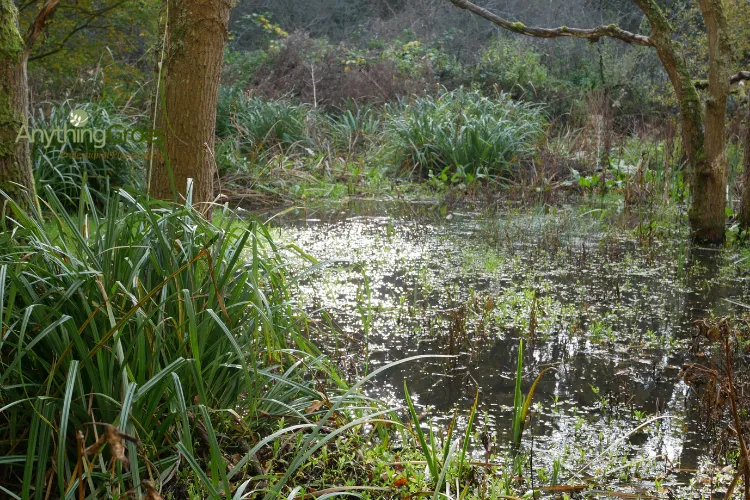
Late spring in Kentucky can be a beautiful time in the garden. Flowers are filling out, vegetables are taking off, and landscapes are turning lush and green. But when spring rain keeps coming, all that water can quickly become a problem.
Too much moisture can lead to soggy soil, root rot, fungal issues, muddy walkways, and stressed plants. If your garden feels more like a swamp than a growing space, don’t worry. With a few smart changes, you can improve drainage, protect your plants, and even use wet conditions to your advantage.
Here are practical tips for managing excess water in your Kentucky garden this rainy season.
Know the Signs of Poor Drainage
Before making changes, take a close look at how water moves through your yard or garden beds.
Common signs of poor drainage include:
- Standing water that remains for more than 24 hours after rain
- Soil that feels sticky, heavy, or compacted
- Yellowing leaves on plants
- Wilting plants even though the soil is wet
- Moss or algae growing on soil surfaces
- Muddy areas where grass or plants struggle to grow
- A sour or rotten smell from overly wet soil
Kentucky’s clay-heavy soils often hold water longer than sandy or loamy soils. Clay soil is rich in nutrients, but it can become dense and slow-draining, especially after repeated rain.
Build Raised Beds for Better Drainage
Raised beds are one of the most effective ways to deal with wet garden soil. By lifting the planting area above ground level, you give plant roots more room to breathe and allow extra water to drain away more easily.
Raised beds work especially well for:
- Vegetable gardens
- Herb gardens
- Annual flowers
- Areas with compacted clay soil
- Low spots that stay wet after storms
A raised bed does not need to be complicated. Even raising the soil 8 to 12 inches can make a big difference.
Tips for building raised beds:
- Choose untreated wood, stone, brick, or metal edging.
- Fill beds with a mix of topsoil, compost, and other organic matter.
- Avoid using only bagged potting mix outdoors, as it may dry out too fast later in the season.
- Keep beds narrow enough that you can reach the center without stepping into them.
- Place beds where water does not rush through during heavy rain.
Raised beds help keep roots from sitting in soggy soil, which is especially important for tomatoes, peppers, herbs, and many flowering annuals.
Add Organic Matter to Improve Soil Structure
If your garden soil is heavy clay, adding organic matter is one of the best long-term solutions. Organic matter helps loosen compacted soil, improves air flow, and allows water to move through more evenly.
Good options include:
- Compost
- Aged leaf mold
- Pine fines
- Well-rotted manure
- Shredded leaves
- Fine bark mulch
Work organic matter into the top several inches of soil where possible. For established beds, you can add compost as a topdressing and let rain, worms, and soil life gradually pull it down.
A simple soil improvement plan:
- Remove weeds and debris from the garden bed.
- Spread 2 to 3 inches of compost over the soil.
- Gently mix it into the top 6 inches if planting a new bed.
- Add mulch after planting to protect the soil surface.
- Repeat each season to keep improving soil health.
Be careful not to work soil when it is soaking wet. Digging or tilling wet clay can make compaction worse. If the soil sticks heavily to your shovel or forms a tight ball in your hand, wait until it dries a bit.
Use Mulch the Right Way
Mulch can help protect wet soil from erosion and reduce splashing during storms. This is important because splashing soil can spread disease onto lower leaves, especially on vegetables and perennials.
Good mulch choices include:
- Shredded hardwood mulch
- Pine bark
- Straw for vegetable gardens
- Shredded leaves
- Pine needles
Apply mulch in a layer about 2 to 3 inches deep. Keep it a few inches away from plant stems, tree trunks, and crowns. Piling mulch too close can trap moisture and cause rot.
Mulch also helps regulate soil moisture later in the summer when Kentucky weather turns hot and dry.
Install a French Drain for Problem Areas
If you have a low area that stays wet after every heavy rain, a French drain may be a good solution. A French drain is a gravel-filled trench with a perforated pipe that moves water away from soggy spots.
French drains are useful near:
- Foundation plantings
- Low lawn areas
- Garden beds at the bottom of a slope
- Patios or walkways where water collects
- Areas with repeated standing water
Basic steps for a French drain:
- Identify where the water collects and where it can safely drain.
- Dig a sloped trench leading away from the problem area.
- Line the trench with landscape fabric.
- Add a layer of gravel.
- Place perforated drain pipe in the trench.
- Cover the pipe with more gravel.
- Wrap the fabric over the gravel to reduce clogging.
- Cover with soil, sod, or decorative stone.
The key is slope. Water needs a clear path to move away from the saturated area. For serious drainage problems, it is wise to work with a landscaping professional to make sure water is redirected safely and does not create issues elsewhere.
Create Pathways That Handle Wet Weather
When garden paths turn muddy, it becomes harder to care for plants without compacting the soil. Stepping into wet beds can squeeze out air pockets and make drainage worse.
Consider adding defined pathways with materials that hold up during rainy weather, such as:
- Gravel
- Stepping stones
- Mulch
- Wood chips
- Pavers
Pathways help you move through the garden without damaging wet soil. They also give your garden a cleaner, more organized look during rainy stretches.
Choose Water-Tolerant Plants
Some plants dislike “wet feet,” while others thrive in moist soil. If you have areas of your garden that naturally stay damp, choose plants that can handle those conditions instead of fighting the site.
Here are a few water-tolerant plants that can work well in Kentucky gardens.
Ferns
Ferns are a great choice for shady, moist areas. They bring soft texture and a natural woodland feel to the garden. Many ferns prefer rich soil with steady moisture, making them ideal for damp corners or shaded beds.
Use ferns in:
- Shade gardens
- Woodland edges
- Moist foundation beds
- Areas under trees with filtered light
Hostas
Hostas are dependable perennials for shady spots and can tolerate moist soil as long as water is not constantly standing. Their large leaves add bold texture, and they come in many shades of green, blue, gold, and variegated patterns.
Hostas work well along:
- Shaded walkways
- Porch borders
- Tree lines
- Damp garden beds with good organic matter
To keep hostas healthy, avoid planting them where soil stays waterlogged for long periods. Moist is good. Permanently soggy is not.
Swamp Milkweed
Swamp milkweed is a beautiful native plant that handles wet soil better than many common perennials. It produces clusters of pink flowers and supports pollinators, including monarch butterflies.
This plant is a smart choice for:
- Rain gardens
- Low, damp areas
- Pollinator gardens
- Sunny spots with moist soil
Swamp milkweed prefers full sun and can bring both beauty and wildlife value to wetter parts of the landscape.
Consider a Rain Garden
If your yard has a spot where rainwater naturally flows, a rain garden may be a great fit. A rain garden is a planted depression designed to collect and absorb runoff from roofs, driveways, patios, or slopes.
Rain gardens can help:
- Reduce standing water
- Filter runoff
- Support pollinators
- Add color and texture
- Turn a problem area into a feature
Plants like swamp milkweed, certain ferns, sedges, rushes, and moisture-loving native flowers can all work well in rain gardens.
The goal is not to create a pond. A rain garden should collect water after rain, then drain within a day or two.
Avoid Overwatering After Rain
It may sound obvious, but irrigation systems often keep running even during wet weeks. If your garden is already soaked, extra watering can push plants into stress.
During rainy periods:
- Turn off automatic irrigation.
- Check containers before watering.
- Feel the soil a few inches down before adding water.
- Empty saucers under pots so roots do not sit in water.
- Watch for yellowing leaves, which may signal too much moisture.
Container gardens are especially vulnerable. Pots need drainage holes, and they should not sit in standing water after storms.
Keep an Eye Out for Fungal Problems
Wet, humid weather can encourage fungal diseases in the garden. Good airflow is one of your best defenses.
To reduce disease pressure:
- Space plants properly.
- Prune crowded growth.
- Remove dead or yellowing leaves.
- Water at the base of plants when watering is needed.
- Avoid working around plants when foliage is wet.
- Stake plants that flop after heavy rain.
If plants are packed too tightly, moisture stays on leaves longer. A little extra breathing room can go a long way.
Make the Most of the Rain
While too much water can be frustrating, rain is also a resource. Healthy spring rainfall can help new plantings establish strong roots, fill out perennials, and refresh tired soil.
You can make the most of rainy conditions by:
- Planting moisture-loving perennials in damp areas
- Collecting rainwater in barrels where allowed and practical
- Watching how water flows through your yard
- Improving soil gradually with compost
- Using wet areas as design opportunities instead of problem spots
A rainy late May can reveal what your landscape needs. Pay attention to where water pools, where plants struggle, and where the garden seems happiest. Those clues can guide smart changes for the rest of the season.
Final Thoughts
Kentucky gardens are no strangers to heavy spring rain. While soggy soil can be a challenge, it does not have to ruin your growing season. Raised beds, better soil structure, mulch, French drains, and water-tolerant plants can all help you manage excess moisture.
The key is to work with your landscape, not against it. Improve drainage where plants need drier roots, and choose moisture-loving plants for areas that naturally stay damp.
With the right approach, your garden can stay healthy, beautiful, and productive, even when late May feels a little too wet.