
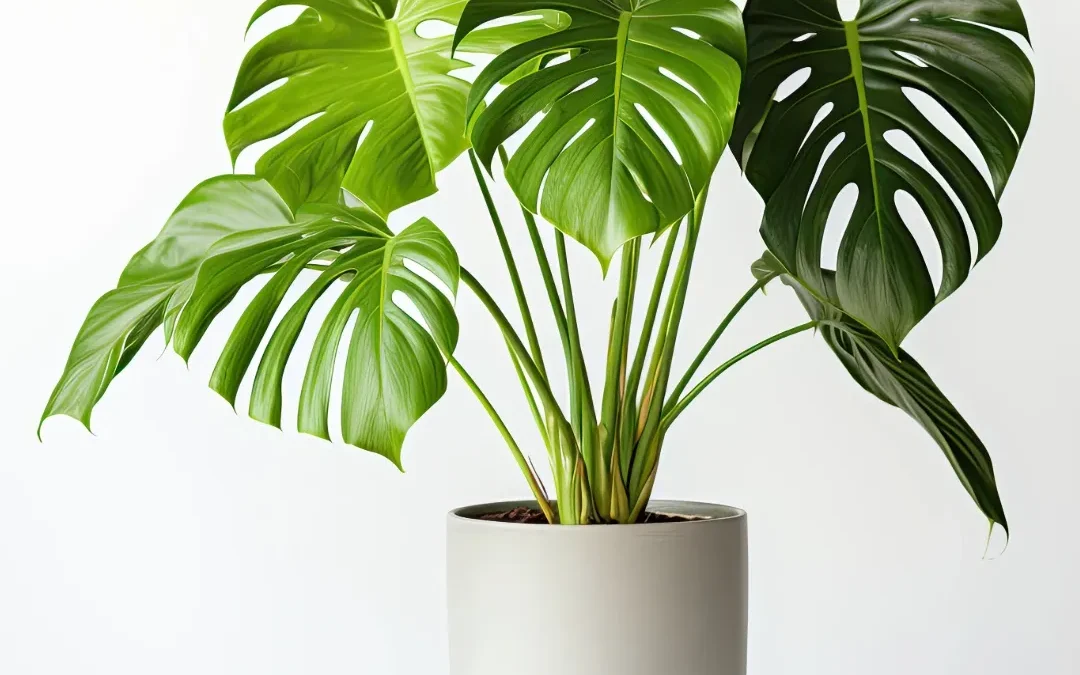
A plant has outgrown its container when you notice roots growing out of drainage holes, soil drying out unusually fast, wilting despite regular watering, or little to no new growth. When you see these signs, it’s time to move your plant into a pot 2–4 inches wider to give its roots the space they need to thrive.
Container plants are easy to overlook. You water them, set them in a sunny spot, and enjoy the greenery—until one day, something just looks off. The leaves droop even though the soil feels moist. Growth has stalled. The pot itself seems to be struggling to hold everything together. Sound familiar?
What you’re likely dealing with is a root-bound plant. This is one of the most common—and most overlooked—problems for gardeners who grow plants in containers. The good news is that it’s completely fixable. Knowing what to look for makes the difference between a plant that slowly declines and one that bounces back stronger than ever.
At Anything Groes, we work with Kentucky homeowners and businesses across the Crestwood and greater Louisville area on everything from large-scale landscaping to container garden care. Repotting questions come up often, and the answer always starts with the same thing: learning to read the signs your plant is sending you.
What Does It Mean for a Plant to Be “Root Bound”?
A plant becomes root bound when its root system has completely filled its container, leaving little room for fresh soil, water, or nutrients. At that point, the roots start circling around the inside of the pot or pushing through drainage holes—and the plant’s ability to absorb what it needs begins to break down.
Root binding doesn’t happen overnight. It’s a gradual process that unfolds over months or years, depending on the plant. Fast-growing varieties like philodendrons, pothos, and tradescantia tend to outgrow their pots within a year or two. Slower growers like snake plants, ZZ plants, and cacti can go several years between repottings without any issues.
The key is knowing which category your plants fall into—and staying attentive to the physical signals they give you.
What Are the Signs Your Plant Has Outgrown Its Container?
Roots are growing out of the drainage holes
This is the clearest sign of all. When roots begin poking through the drainage holes at the bottom of the pot, the root system has run out of room. You may also notice roots appearing at the soil surface near the top of the pot, which signals the same problem from the other direction.
The plant needs watering much more frequently than usual
If you’re suddenly finding yourself watering every day or two when the same plant was fine with weekly watering before, the root system has likely displaced most of the soil. With less soil to retain moisture, water runs through the pot quickly rather than soaking in—leaving the roots dry and the plant stressed.
The plant wilts, even right after watering
Wilting despite a good watering is a red flag. Root-bound plants have a reduced ability to absorb water and nutrients because the roots are too crowded to function efficiently. When a plant droops, drops leaves, or stops responding to fertilizing, the soil—and the space for it—may have simply run out.
Growth has slowed or stopped completely
A healthy container plant should show new growth throughout its active season. If yours has gone quiet—no new leaves, no new stems—it may have hit a ceiling. When roots have taken over most of the pot, the plant redirects its energy toward survival rather than growth.
The plant looks too big for its pot
Sometimes the answer is visual. If your plant looks disproportionately large compared to its container—or if the weight of the plant causes it to tip over easily—it’s probably time for a larger home. A good rule of thumb: when a plant is more than double the height or width of its pot, repotting is overdue.
The pot is visibly deformed or straining
In plastic containers, you may actually see the pot bowing outward as root pressure builds from the inside. With terracotta or ceramic pots, you can check by gently sliding the root ball out—if the roots form a tight, dense mass around the outside of the soil, the plant has outgrown its space.
When Is the Best Time to Repot a Plant in Kentucky?
Spring is the best time to repot most container plants. As temperatures warm and plants move into their active growing season, they’re better equipped to handle the transition and establish quickly in fresh soil. Early fall can also work for some species, but spring repotting gives plants the longest window to settle in before cold weather arrives.
One important caution: avoid repotting during periods of extreme heat. When temperatures push into the 90s—or heat index values climb even higher, as they have across the Louisville and Kentuckiana area in recent weeks—transplanting puts enormous stress on plants that are already working hard to regulate moisture loss. Wait until conditions are more moderate before making any major container moves.
If you’re not sure whether the timing is right, a simple rule applies: if the plant is stressed by external conditions (heat, cold, drought), hold off on repotting. Tackle it when both you and your plant are comfortable.
How Do You Choose the Right Size Pot?
Bigger isn’t always better when it comes to containers. Moving a plant into a pot that’s far too large creates a new problem: excess soil holds excess moisture, which can suffocate roots and lead to root rot before the plant ever has a chance to fill in.
The general recommendation is to go up 2 to 4 inches in diameter from the current pot. So if your plant is currently in a 6-inch pot, a 8-inch or 10-inch pot is the right next step—not a 14-inch one. For plants that naturally prefer tighter conditions, like snake plants or cacti, staying closer to a single size increase is especially important.
Material matters too. Terracotta pots are porous, which means they dry out faster—great for plants prone to overwatering, less ideal for moisture-loving varieties. Plastic and glazed ceramic pots retain moisture longer, which suits plants that prefer consistently moist soil.
How Do You Repot a Plant Without Stressing It?
Once you’ve confirmed it’s time and you’ve selected the right pot, here’s how to repot without doing more harm than good:
- Water the plant thoroughly about an hour before repotting. Moist roots are more pliable and less likely to tear during the process.
- Prepare the new pot by placing a few stones or pot shards over the drainage hole to prevent soil loss while still allowing water to flow through.
- Gently remove the plant from its current pot. Turn the pot upside down, support the plant with one hand, and tap the base firmly to release the root ball.
- Examine the roots. Prune any that are circling the root ball using clean, sharp scissors or pruning shears. Making 3 to 4 shallow vertical cuts through the sides of the root ball encourages new outward growth.
- Add fresh potting mix to the bottom of the new container, then set the plant in at the same depth it sat before. Fill in around the sides with fresh mix, pressing gently to eliminate air pockets.
- Water thoroughly after repotting—enough so that water flows freely from the drainage hole.
- Hold off on fertilizing for about a month to avoid stressing freshly disturbed roots.
Place the newly repotted plant in its usual spot and keep a close eye on it for the first week or two. A little drooping is normal as it adjusts to its new home. With patience and consistent watering, most plants bounce back quickly.
Give Your Plants the Room They Need to Grow
Container gardening is one of the most rewarding ways to bring greenery into your home and outdoor spaces. But like any living thing, plants need room to grow—and recognizing when they’ve run out of it is one of the most valuable skills you can develop as a gardener.
If you’re managing a container garden at your Crestwood or Louisville-area property and you’re not sure where to start, the team at Anything Groes is happy to help. We know Kentucky’s climate and conditions inside and out, and we can walk you through exactly what your plants need to thrive. Give us a call at (502) 241-5854 or stop by our location at 7401 New Cut Road in Crestwood—we’d love to help your garden grow.
Frequently Asked Questions
How do I know if my plant is root bound without removing it from the pot?
Look for roots growing out of the drainage holes at the bottom of the pot or pushing up through the soil surface. Other visual clues include a plant that looks disproportionately large for its container, a pot that appears to be bowing or straining, and soil that dries out much faster than it used to.
How often should you repot container plants?
It depends on the plant. Fast-growing varieties like philodendrons, pothos, and pilea may need repotting every one to two years. Slow-growing plants like cacti, snake plants, and ZZ plants can often go several years between repottings. A good habit is to check the root situation once a year each spring.
Can repotting hurt a plant?
Repotting does cause temporary stress, especially if done carelessly or at the wrong time of year. However, a root-bound plant that isn’t repotted will continue to decline. Watering thoroughly before and after repotting, pruning damaged roots, and avoiding repotting during extreme heat all reduce the risk of transplant shock.
What kind of soil should I use when repotting?
Use a fresh, high-quality potting mix appropriate for your plant type. Standard potting mix works well for most tropical houseplants. Cacti and succulents need a fast-draining mix with added perlite or sand. Orchids require a specific bark-based medium. Avoid reusing old potting soil from the same container, as it’s often depleted of nutrients and may harbor pathogens.
Should I fertilize after repotting?
Wait at least four weeks before fertilizing a freshly repotted plant. Fresh potting mix typically contains enough nutrients to support early root development, and applying fertilizer too soon can burn tender new roots before they’ve had a chance to establish.
Is spring really the best time to repot in Kentucky?
Yes. Kentucky’s spring temperatures and increased daylight give plants the ideal conditions to establish in new soil before the heat of summer arrives. Repotting during our summer heatwaves—when temperatures and heat index values climb well above comfortable levels—puts unnecessary stress on plants that are already working hard to stay hydrated.