
Why Fall Is the Best Time to Plant in Kentucky
Quick answer: Fall is the ideal planting season in Kentucky because cooler air temperatures reduce plant stress while the soil stays warm enough to encourage root growth. Trees, shrubs, perennials, and spring-flowering bulbs planted between early September, and late October have months to establish strong roots before summer heat returns, resulting in healthier, more resilient plants.
As summer winds down and the Kentuckiana heat finally starts to ease, many homeowners assume gardening season is over. Lawn mowers get parked in the garage, and garden gloves get tucked away until spring. But if you love a thriving landscape, fall is when the real opportunity begins.
Kentucky’s mild autumns create near-perfect growing conditions. The air cools down enough to reduce stress on new plantings, while the soil retains enough warmth from summer to keep root systems active. This combination gives trees, shrubs, and perennials a head start that spring planting simply can’t match.
Whether you’re refreshing a flower bed, adding new trees to your yard, or planning a burst of color for next spring, this guide walks through exactly what to plant, when to plant it, and how to set your garden up for success before winter arrives.
Why Fall Planting Works So Well in Kentucky’s Climate
Kentucky sits primarily within USDA Hardiness Zones 6b and 7a, which means the state experiences a genuine winter but without the extreme, prolonged freezes found further north. This climate profile makes fall an especially forgiving time to plant.
During fall, plants can redirect their energy toward root development instead of leaf and flower production. Above-ground growth slows as temperatures drop, but underground, roots continue growing until the soil temperature falls below about 40°F. This gives fall-planted trees, shrubs, and perennials a substantial advantage: by the time spring arrives, they already have an established root system ready to support vigorous new growth.
Compare that to spring planting, where new additions must establish roots and produce foliage at the same time, often while contending with the sudden arrival of summer heat and dry spells. Fall-planted landscapes tend to need less supplemental watering the following summer and show stronger resistance to drought and disease.
What Should You Plant in Kentucky This Fall?
Not every plant benefits equally from fall planting, but many of the most popular landscaping choices thrive when planted during this window.
Trees and Shrubs Establish Strong Root Systems
Fall is widely considered the best time to plant trees and shrubs in Kentucky. Species like maples, oaks, dogwoods, and evergreens such as arborvitae and holly benefit from the cooler air and warm soil. Choose a planting site with good drainage, dig a hole twice as wide as the root ball, and water deeply after planting to help roots settle in.
Perennials Settle in Before Winter
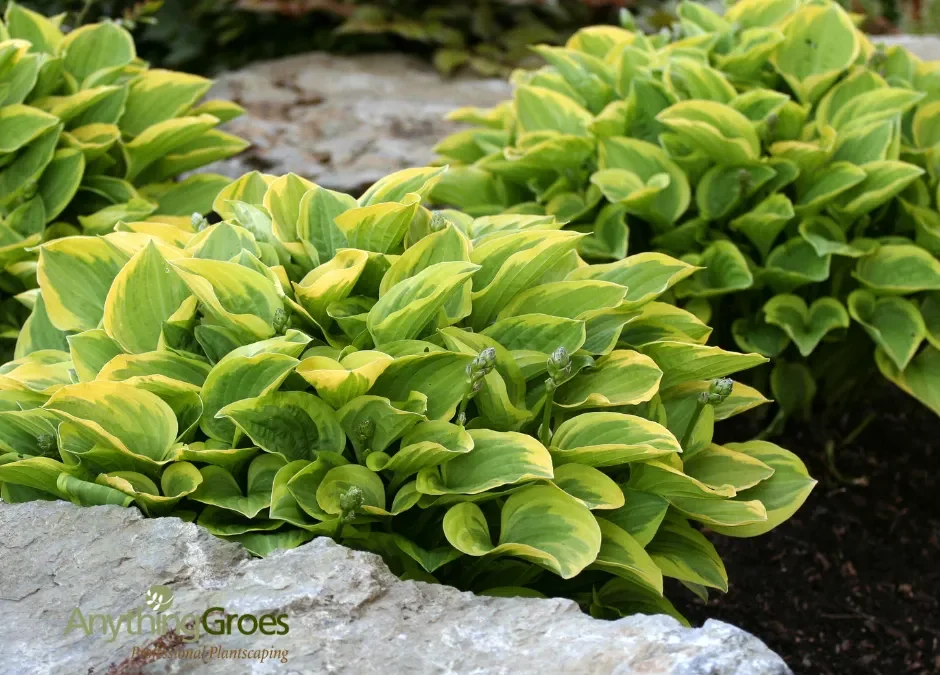
Perennials such as coneflowers, hostas, daylilies, and black-eyed Susans planted in early fall have time to establish roots before their first winter dormancy. This means they’ll return next spring larger and more vigorous than if they’d been planted in the spring itself.
Bulbs Planted Now Bloom Vibrantly in Spring
If you want tulips, daffodils, crocuses, or hyacinths blooming come March and April, fall is non-negotiable. These bulbs require a period of cold dormancy to trigger blooming, a process called vernalization. Plant them roughly six weeks before the ground freezes, giving roots time to develop before winter sets in.
Cool-Season Vegetables and Lawns Also Thrive
Fall isn’t just for ornamentals. Cool-season vegetables like kale, spinach, lettuce, and broccoli often perform beautifully when planted in late summer or early fall, tolerating light frosts and offering a fresh harvest well into the cooler months. It’s also the best time to seed or overseed cool-season lawns like Kentucky bluegrass and fescue, both common choices for Louisville-area yards.
When Is the Best Time to Plant in Kentucky This Fall?
Timing matters. As a general rule, aim to get trees, shrubs, and perennials in the ground at least six weeks before the first hard frost, which typically arrives in the Louisville area in mid-to-late October. This gives roots enough time to establish before the ground fully cools.
Bulbs are the exception. Since they need cold exposure to bloom properly, they can be planted right up until the ground freezes, making October and even early November suitable windows for bulb planting.
How Do You Prepare Your Garden for Fall Planting?
A little preparation goes a long way toward fall planting success:
- Test and amend your soil. Adding compost or organic matter improves drainage and nutrient availability heading into winter.
- Clear out summer debris. Remove spent annuals, weeds, and fallen leaves that could harbor pests or disease.
- Water consistently after planting. Even though temperatures are cooler, new plantings still need regular moisture to establish roots. Continue watering until the ground freezes.
- Apply mulch. A two-to-three-inch layer of mulch around new plantings insulates roots from temperature swings and helps retain soil moisture through winter.
What Mistakes Should You Avoid When Fall Planting?
Even experienced gardeners can run into trouble if they overlook a few key details:
- Planting too late. Waiting until the first frost has already hit doesn’t leave enough time for root establishment. Choose your planting dates with the six-week rule in mind.
- Skipping mulch. Bare soil around new plantings is far more vulnerable to temperature swings and moisture loss.
- Underwatering. Cooler weather can create a false sense of security, but new roots still need consistent moisture until the ground freezes.
- Choosing plants that aren’t suited to Kentucky’s zone. Always check hardiness zone compatibility before selecting trees, shrubs, or perennials for your yard.
Get Your Kentucky Garden Ready for Fall
Fall planting sets the stage for a landscape that’s healthier, hardier, and more vibrant come spring. By working with Kentucky’s natural growing cycle rather than against it, you’ll spend less time nursing stressed plants through summer heat and more time enjoying a landscape that thrives.
If you’re ready to refresh your yard this season but aren’t sure where to start, Anything Groes can help design and install a fall landscape suited to Louisville’s climate and your outdoor vision. From tree and shrub installation to seasonal bed refreshes, a professional touch now means a beautiful, established landscape when spring arrives.
Frequently Asked Questions
Is fall really better than spring for planting in Kentucky?
Yes. Fall’s cooler air and warm soil let plants focus energy on root development rather than leaf and flower growth, resulting in stronger root systems before summer heat arrives.
What is the last safe date to plant trees and shrubs in the fall in Kentucky?
Aim to plant at least six weeks before the first hard frost, which typically falls in mid-to-late October in the Louisville area. Planting by early October is generally a safe target.
Can I still plant flower bulbs in November?
Yes, as long as the ground hasn’t frozen solid. Bulbs like tulips and daffodils need a period of cold exposure to bloom, so planting into early November is often still effective.
Do fall-planted trees and shrubs need to be watered through winter?
Yes. Continue watering new plantings regularly until the ground freezes to support root establishment, even as temperatures drop.
What if I miss the fall planting window?
Spring planting is still an option for most trees, shrubs, and perennials, though plants may need more attentive watering and care during their first summer without the head start fall planting provides.