
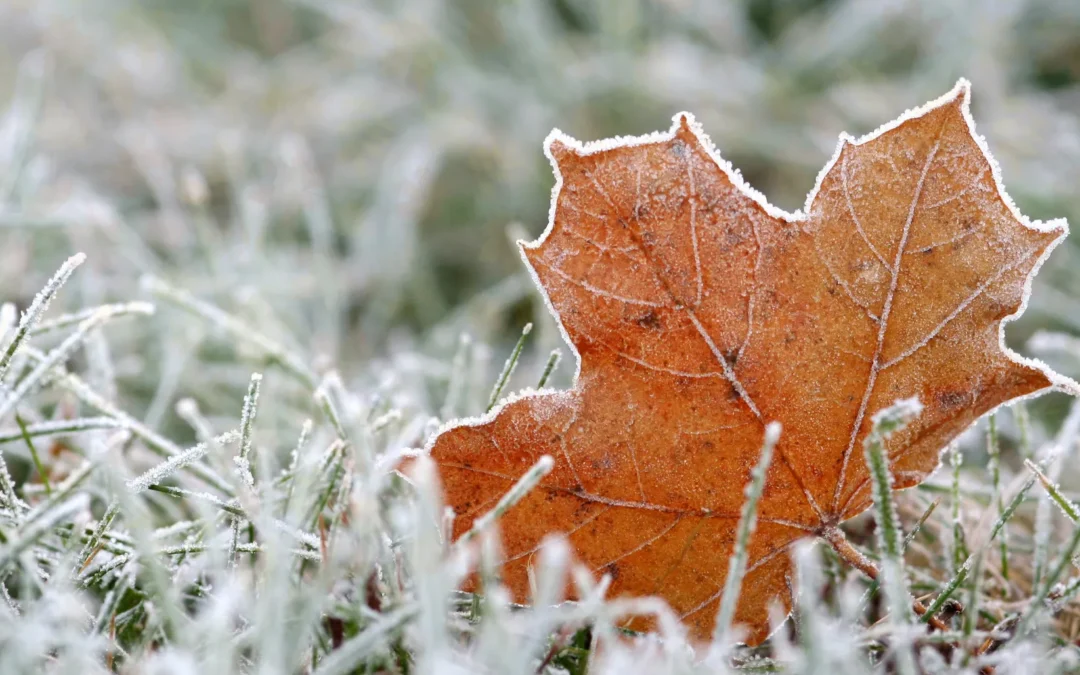
As the vibrant colors of autumn settle across Kentucky, it’s easy to think your lawn care duties are winding down for the year. However, the work you do in the weeks before the first frost is some of the most important of the entire season. Properly winterizing your lawn sets the stage for a lush, healthy, and green return next spring.
In our region, with its characteristic freeze-thaw cycles and heavy clay soils, turf grasses like tall fescue and Kentucky bluegrass face unique winter challenges. A little preparation now protects your investment, strengthens roots, and gives your lawn a powerful head start. This guide provides a comprehensive checklist to help you prepare your Kentucky lawn for the cold months ahead.
Understanding Your Kentucky Lawn
Most lawns in the Louisville area are a mix of cool-season grasses, primarily tall fescue and Kentucky bluegrass. These grasses thrive in the fall and spring but can struggle with our humid summers. Some homeowners may also have warm-season grasses like Zoysia, which have different needs as they go dormant. Winterizing is about giving these specific grasses what they need to survive the cold and emerge strong.
Your Pre-Frost Winterization Checklist
Timing is everything. Most of these tasks should be completed between late September and mid-October, well before the average first frost date in the Louisville area (typically mid-to-late October).
1. Test Your Soil and Correct pH
Before you do anything else, understand what’s happening beneath the surface. Kentucky’s clay soil often leans acidic, which can prevent your grass from absorbing essential nutrients. A simple soil test reveals your lawn’s pH level and nutrient deficiencies.
You can purchase a DIY kit or send a sample to your local extension office for a detailed analysis. If your soil is too acidic (below 6.0), you’ll want to apply lime. Fall is the ideal time for this, as the winter rain and snow help work the lime into the soil, sweetening it for spring growth.
2. Apply a Late-Season Fertilizer
Fertilizing in the fall is not about a quick burst of green growth. It’s about feeding the roots. As top growth slows, the grass plant sends its energy downward to store for winter. A “winterizer” or late-season fertilizer provides the nutrients needed for this process.
- What to Use: Look for a slow-release granular fertilizer with a higher percentage of potassium (the “K” in N-P-K). Potassium improves cold hardiness, disease resistance, and overall plant durability.
- Timing: Apply your winterizer fertilizer about two to three weeks before the first expected frost. This gives the lawn time to absorb the nutrients before the ground freezes. Avoid using quick-release nitrogen, which can encourage tender new growth that will be damaged by the frost.
3. Core Aerate and Overseed
Heavy clay soil compacts easily, restricting access to air, water, and nutrients. Core aeration—the process of pulling small plugs of soil from the lawn—is the single best thing you can do to relieve this compaction.
The weeks leading up to the first frost provide a perfect window for aeration and overseeding. The soil is still warm enough for seed germination, and cooler air temperatures reduce stress on new seedlings.
- Why Together? Aerating before you overseed creates thousands of small pockets where grass seed can settle, ensuring excellent seed-to-soil contact. This dramatically increases germination rates for tall fescue and bluegrass, helping to fill in bare spots and thicken the entire lawn.
- When to Call a Pro: Core aeration requires specialized equipment. While machines are available to rent, they are heavy and can be difficult to operate. A professional service can complete the job efficiently and ensure proper coverage.
4. Manage Fall Weeds
You may notice a new crop of weeds like henbit, chickweed, and wild onion appearing in the fall. These are winter annuals that germinate now, lie low during the cold, and then explode in the spring. Applying a post-emergent herbicide in the fall is highly effective because the weeds are young, small, and actively pulling resources into their roots—taking the herbicide with them. This one step can prevent a massive weed headache next March.
5. Adjust Your Mowing Height
As the season winds down, gradually lower your mower blades. For your final two or three mows of the year, aim for a height of about 2.5 inches. This is a slight reduction from the typical 3-4 inch summer height for cool-season grasses.
Lowering the height helps prevent snow mold and stops the grass blades from matting down under snow or wet leaves. However, be careful not to scalp the lawn. Cutting it too short can expose the crown of the plant to winter damage.
6. Shut Down Irrigation and Monitor Water
Once consistent frosts begin, your automatic irrigation system is no longer needed and becomes a liability. Freezing water can damage pipes, sprinkler heads, and backflow preventers, leading to expensive repairs.
- Winterize Your System: Have your irrigation system professionally blown out with an air compressor to remove every last drop of water. This is a crucial step to prevent freeze damage.
- Winter Watering: While your system is off, keep an eye on conditions. During dry, windy periods in the winter, your lawn—especially any new seed—may still need water. A light watering with a hose and sprinkler on a mild day (above 40°F) can prevent root desiccation.
7. Clear Leaves and Manage Thatch
A thick blanket of fallen leaves might look festive, but it’s detrimental to your lawn. It blocks sunlight, traps moisture, and creates a breeding ground for fungal diseases like snow mold. Make a habit of raking, blowing, or mulching leaves regularly. If you use a mulching mower, you can shred a light layer of leaves directly into the turf, where they will decompose and add organic matter to the soil.
If your lawn has a thatch layer thicker than half an inch, fall is also a good time to have it dethatched. This process removes the spongy layer of dead stems and roots between the soil and the grass blades.
8. Clean and Store Your Equipment
Once the final mow is complete, prepare your tools for winter storage. Clean your mower deck to remove caked-on grass, which can hold moisture and cause rust. Sharpen the blades so you’re ready for the first cut of spring. Finally, either drain the fuel from the engine or add a fuel stabilizer to prevent the gas from gumming up over the winter.
9. Protect Dormant Turf
Dormant grass is not dead; it’s just sleeping. However, it is more vulnerable to damage from heavy foot traffic. Try to minimize walking on the frozen or dormant lawn and avoid parking vehicles on it. The compressed grass may not recover, leaving dead spots or ruts that will need repair in the spring.